


Many pipeline construction contractors are familiar with non-excavation construction procedures, yet they struggle to select the right horizontal directional drill and drilling tools for different working conditions. Improper equipment matching often leads to drilling deviation, hole collapse, drill jamming and other malfunctions, delaying construction schedules and raising consumable costs.
Hengwang Group independently develops a full line of horizontal directional drills, covering mini municipal models all the way to heavy-duty thousand-meter crossing equipment. All core supporting components including drills, walkover locating systems, drill rods, hole openers and mud systems are self-manufactured for complete matching. Below is a full breakdown of the complete construction workflow, paired with the full range of supporting Hengwang equipment.
I. Pre-construction Survey & Equipment Mobilization
Prior to construction, conduct underground existing pipeline detection with Hengwang high-precision geomagnetic walkover locating system. It delivers a detection error within 3 centimeters and is immune to interference from electric wires and steel rebars, proactively preventing pipeline damage risks.
Select the main drill rig according to construction scenarios:
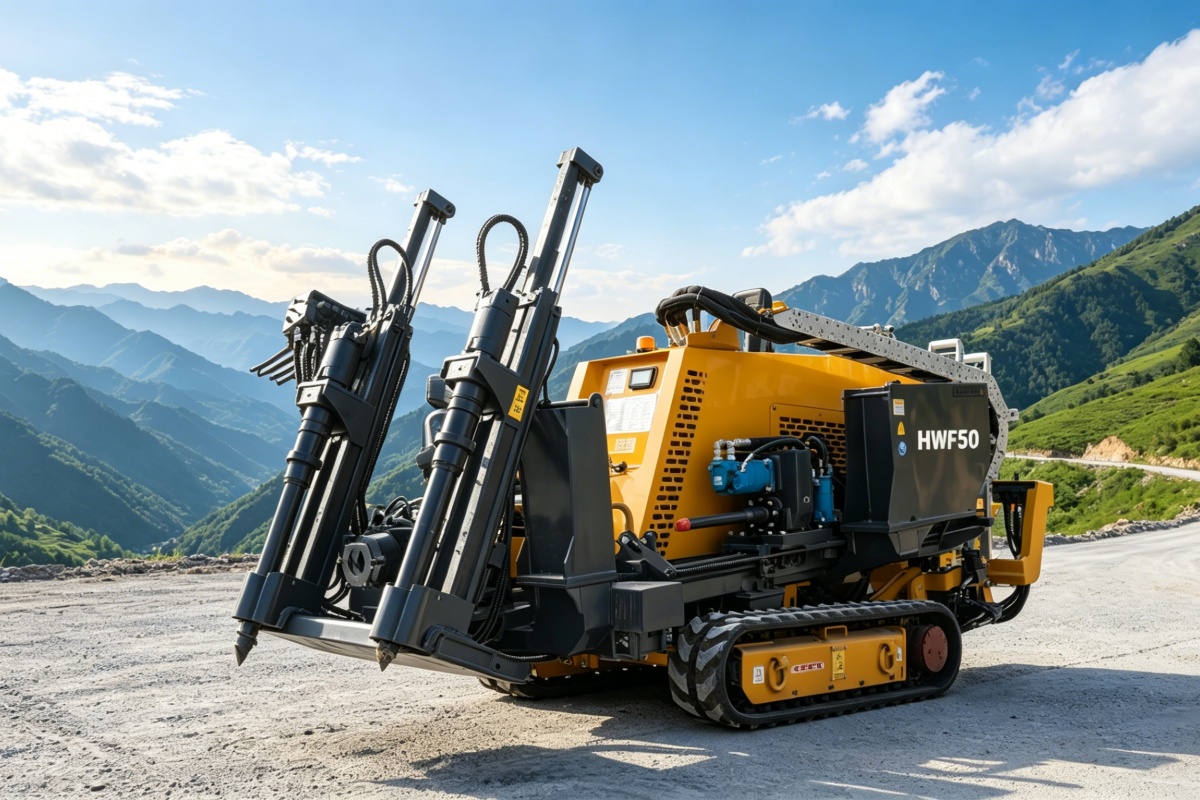
For short-distance gas pipeline and optical cable projects in old residential compounds and narrow rural lanes: Adopt the HWF50 mini directional drill. Its narrow body and silent rubber tracks enable easy relocation in confined spaces.
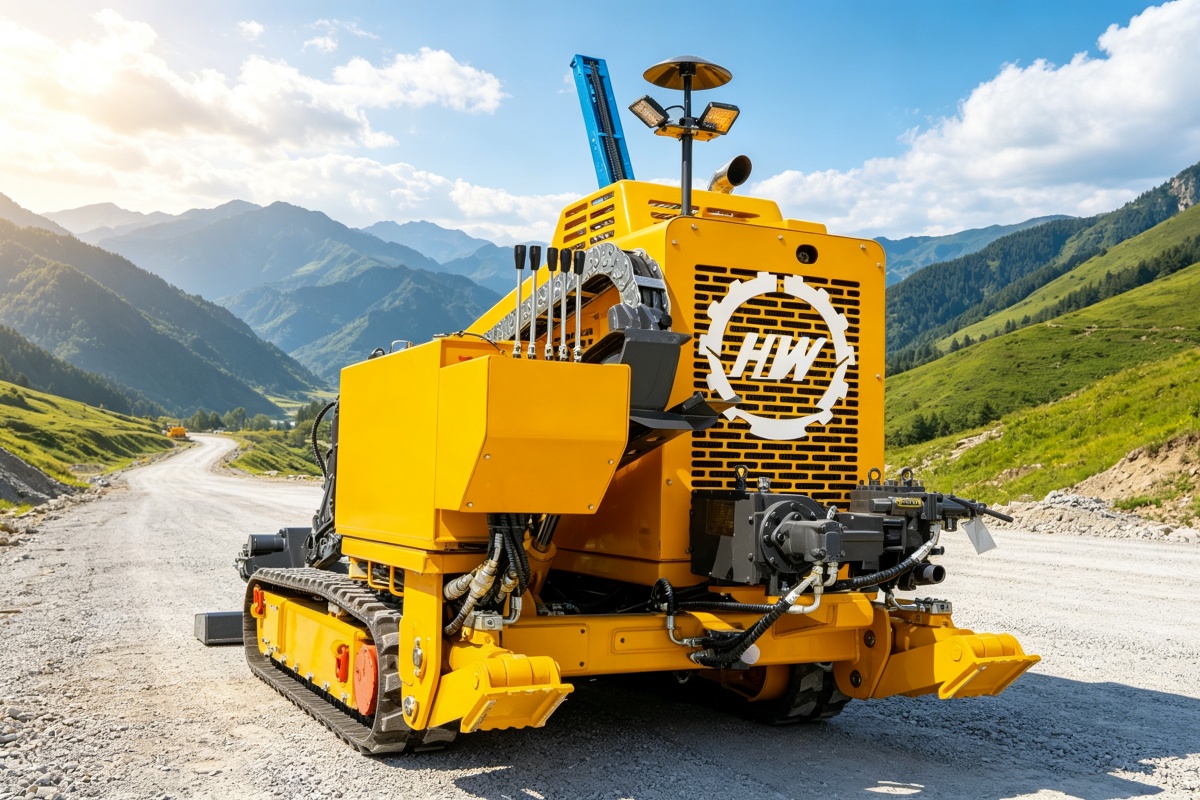
For highway crossings, medium-small river crossings and conventional water supply & drainage projects: The best-selling HWF135 medium directional drill is a top pick for construction teams. Equipped with dual high-torque motors, it resists sinking on river beaches and dirt roads.
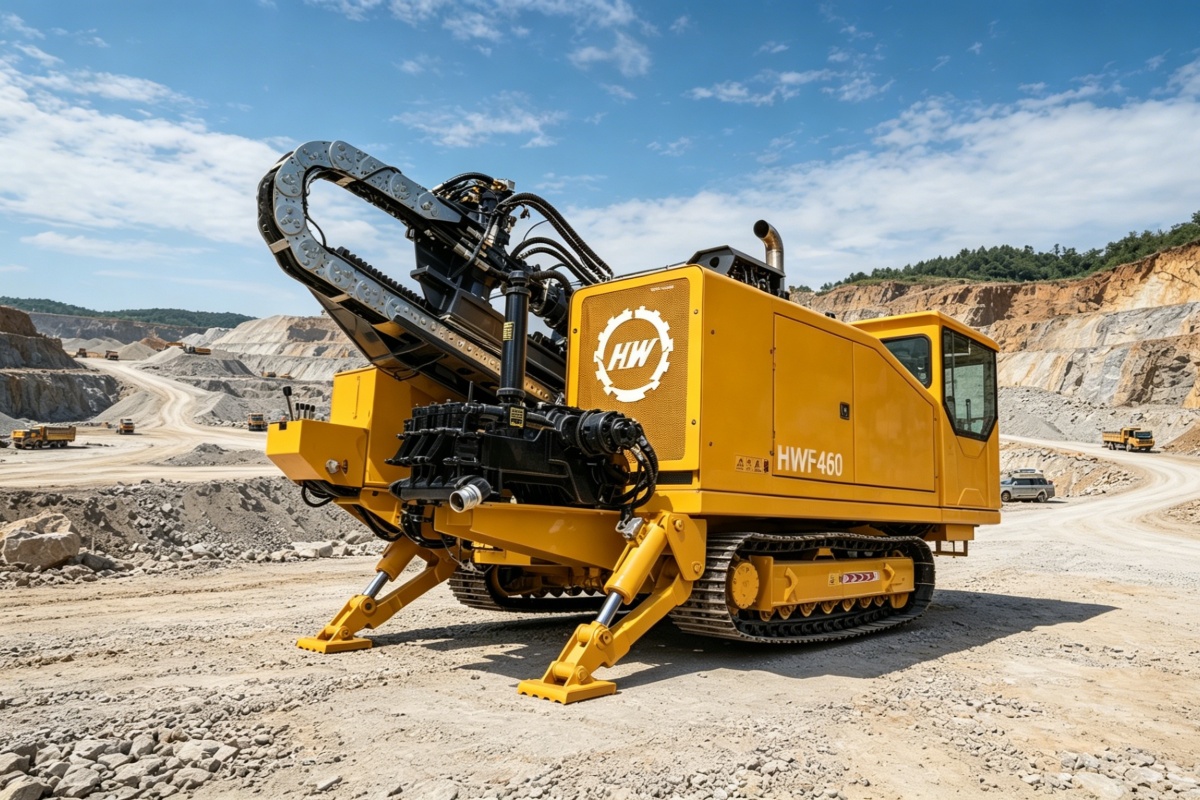
For thousand-meter river crossings, large-diameter oil & gas pipelines and complex strata with hard rock and cobblestones: Choose the heavy-duty HWF460 directional drill with an extra-thick reinforced frame, designed for long-distance large-scale pipeline construction.
Match with Hengwang integrated mud mixing units to supply hole-stabilizing mud throughout the construction process.
II. Precision Pilot Hole Drilling
The pilot hole determines the pipeline routing and is drilled with the main rig and dedicated drilling tools.
The rig is fitted with Hengwang self-developed intelligent hydraulic system that automatically adjusts power output based on ground conditions. Matched with forged thickened drill rods of customized specifications for different tonnage models, the rods feature outstanding tensile strength and low fracture risk.
Hengwang supplies formation-specific pilot bits:
Plate pilot bits: Suitable for general strata; replaceable guide plates adapt to various soil conditions.
Eagle-claw pilot bits: Designed for low to moderately weathered rock formations.
Mud motors and tricone bits are available for hard rock strata.
The equipment supports dual operation modes: console control and wireless remote control. The wireless remote handles rig movement, while core operations including drilling angle adjustment, exit point calibration and construction trajectory correction are completed via the console. This ensures highly controllable drilling paths and drastically reduces rework rates.
III. Staged Reaming Operation
Once the pilot hole is formed, staged reaming is required to expand the bore to the size matching the pipeline. Hengwang provides a full range of original factory hole openers as one-stop supporting accessories.
Medium and small tonnage rigs support various soil hole openers configurable per site soil conditions; the heavy-duty model is compatible with both soil hole openers and rock hole openers.
Continuous mud delivery from the mud system stabilizes the bore wall during reaming. Medium and large rigs can be fitted with Hengwang automatic rod loading devices to eliminate manual drill rod handling, boosting efficiency and operational safety.
IV. Uniform Pullback & Pipeline Installation
Pipeline pullback can commence immediately after reaming. All rig models feature matched pullback capacity for distinct construction demands:
HWF50: Maximum pullback force of 50 tons, ideal for small PE pipelines.
HWF135: 135 tons of pullback force, applicable to medium-diameter gas, water supply and drainage pipelines.
HWF460: Up to 460 tons of pullback force, engineered for heavy-duty projects such as cross-river large-diameter steel pipelines and oil & gas pipelines.
Paired with Hengwang high-strength pullback heads and torque dividers for tension buffering, the intelligent hydraulic system delivers steady dragging to avoid instantaneous tension that damages pipes and drill rods, delivering superior stability for long-distance construction.
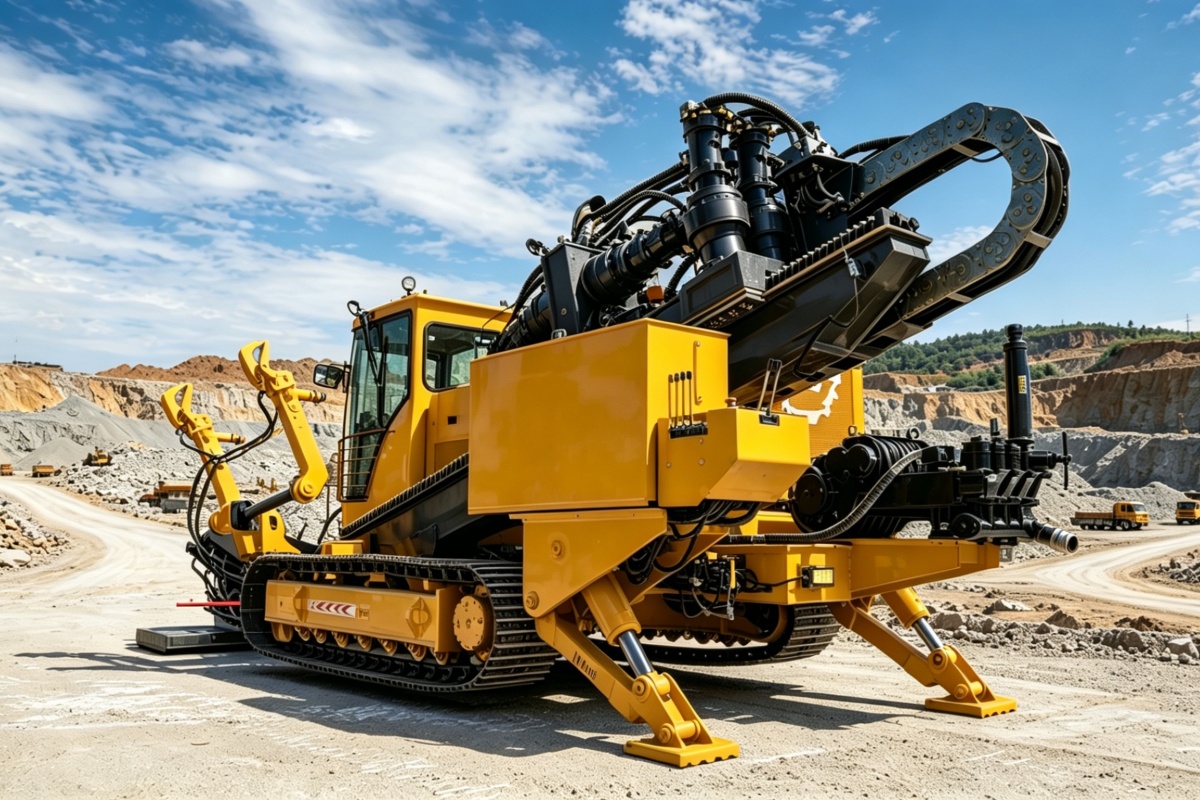
Full-process Supporting Equipment for All Pipeline Scenarios
For the entire non-excavation construction cycle from surveying, drilling, reaming to pipeline pullback, Hengwang offers integrated one-stop solutions consisting of main rigs and full sets of drilling tools and auxiliary equipment, eliminating the hassle of sourcing spare parts from multiple suppliers.
HWF50: Ideal for small-scale community projects
HWF135: Mainstream model for municipal construction
HWF460: For large cross-river oil & gas engineering
Our product lineup covers all types of non-excavation pipeline construction scenarios to support efficient, stable project delivery.

Please fill out the form below according to your needs, and a Hengwang product specialist will contact you within one day.