



As the saying goes, "Machines rely on maintenance, and profits lie in details." Equipment maintained in strict accordance with prescribed cycles boasts an 80% lower failure rate and over 30% higher residual resale value. This maintenance guide covers four critical service intervals: 50, 250, 500 and 1,000 operating hours. We recommend printing it out and posting it in the workshop.
I. General Maintenance Principle: 5-Minute Daily Checklist Mantra
"Check oil temperature, inspect oil color, listen for abnormal noises, tighten bolts"
Check oil temperature: Touch hydraulic pipelines and vibratory box housing with the back of your hand. Investigate faults if surfaces are scaldingly hot (over 60°C) or abnormally cold.
Inspect oil color: Transparent hydraulic oil indicates normal condition; milky white means water contamination and emulsification; black signifies oxidation and deterioration; turbid yellow points to particle contamination — oil must be replaced in all three abnormal cases.
Listen for abnormal noises: Start the machine and check for clattering, buzzing, hissing or other odd sounds from the engine, hydraulic pump and vibratory box.
Tighten bolts: Focus on fasteners securing the chassis, vibratory box and hydraulic motors, especially track or tire bolts.
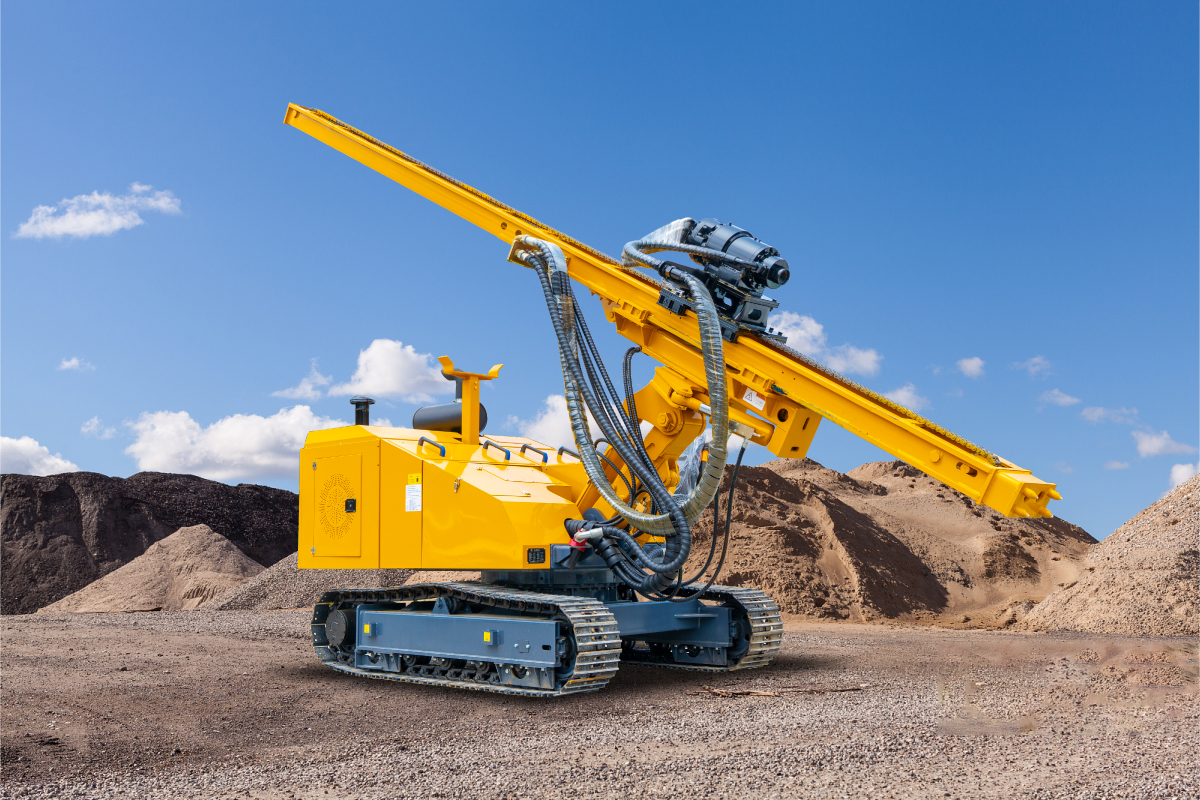
II. Every 50 Hours (Approx. Weekly): Routine Maintenance
Engine oil: Check oil level and color; top up with oil of the same brand and viscosity grade if insufficient.
Hydraulic oil: Inspect oil level with the machine cold and replenish as needed. Oil shortage can burn out the hydraulic pump, incurring repair costs of tens of thousands of yuan.
Radiator & water tank: Blow or wash mud and dust off cooling fins with compressed air or a water gun to prevent overheating.
Air filter: Examine the outer filter element; tap gently to remove dust (do not wash with oil). Replace immediately if damaged or heavily clogged.
Chassis bolts: Inspect daily, with extra attention during the first 100 operating hours for new machines.
Steel wire rope: Check for wire breakage, rust and abrasion. Replace the rope once broken wires account for 5% of total strands.
Key Reminder: Based on an 8–10 hour daily shift, the 50-hour interval equals weekly maintenance. Do not wait for fault alarms before inspection.
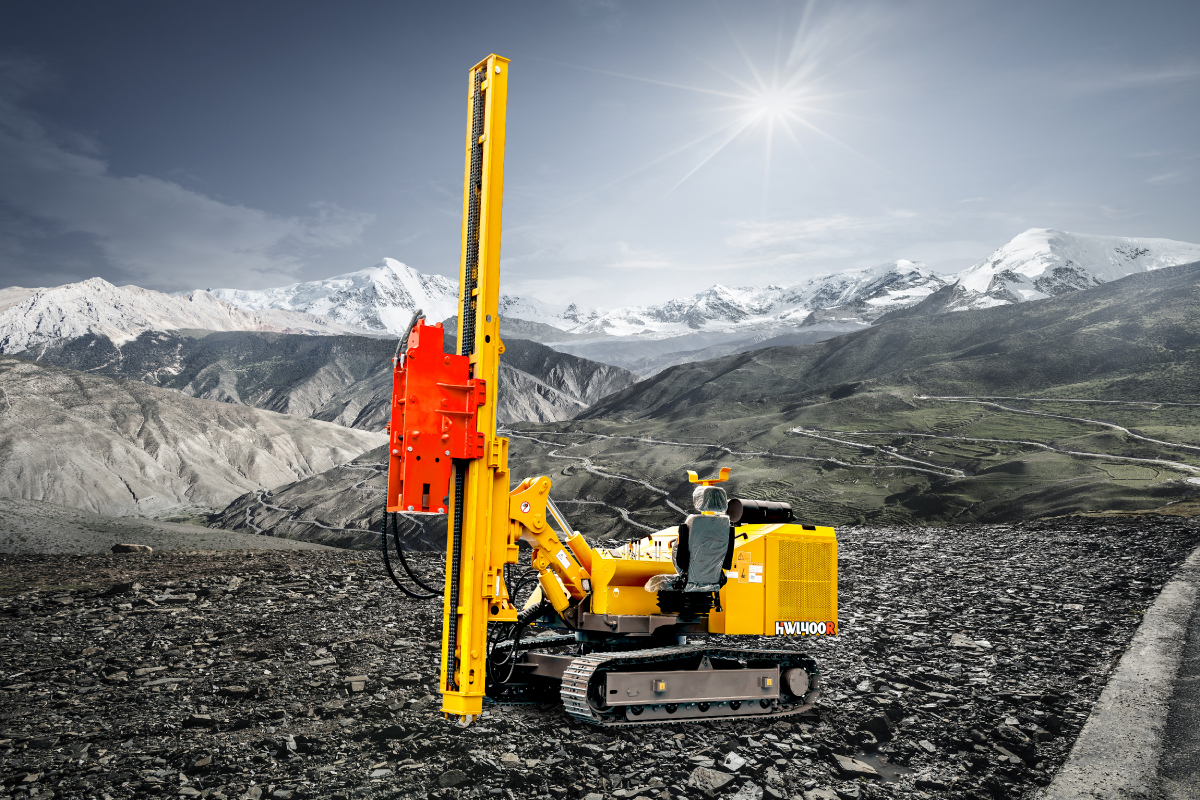
III. Every 250 Hours (Approx. Monthly): In-Depth Cleaning
Replace engine oil and oil filter: This core service protects the engine. Inferior oil or overdue replacement will damage the engine with repair fees starting at several thousand yuan.
Replace hydraulic oil return filter: Remove and inspect for metal shavings; further troubleshooting is required if debris is found.
Clean battery terminals and check electrolyte level or power indicator.
Apply grease to all pin shafts and slewing bearings: Pump 3–5 shots of grease into each lubrication fitting, with special care for connecting pins between the vibratory box and vertical mast.
Adjust track tension: Normal sag range is 50–70 mm.
Key Reminder: Timely oil change is a major cost saver — never cut corners on this service.
IV. Every 500 Hours (Approx. Quarterly): Full System Inspection
Replace hydraulic oil: Drain old oil, clean sediment at the tank bottom before refilling with new hydraulic oil.
Replace both primary and secondary diesel filters to safeguard high-pressure fuel pumps and fuel injectors. Filters cost merely dozens of yuan, while component repairs are extremely expensive.
Replace the inner air filter element (non-cleanable); replace the outer filter together if damaged.
Inspect gear oil in the vibratory box: Replace oil at once if blackened or emulsified. Oil starvation can crack the main gear, resulting in repair costs in the tens of thousands.
Inspect all pipeline joints for leakage, cracking or bulging, prioritizing high-pressure hoses in high-temperature zones.
Retighten all bolts with a torque wrench, focusing on fasteners for the mast, chassis and engine mounts.
Key Reminder: The 500-hour interval aligns with seasonal project transitions. Temperature fluctuations easily degrade sealing parts, so comprehensive inspection prevents sudden breakdowns.
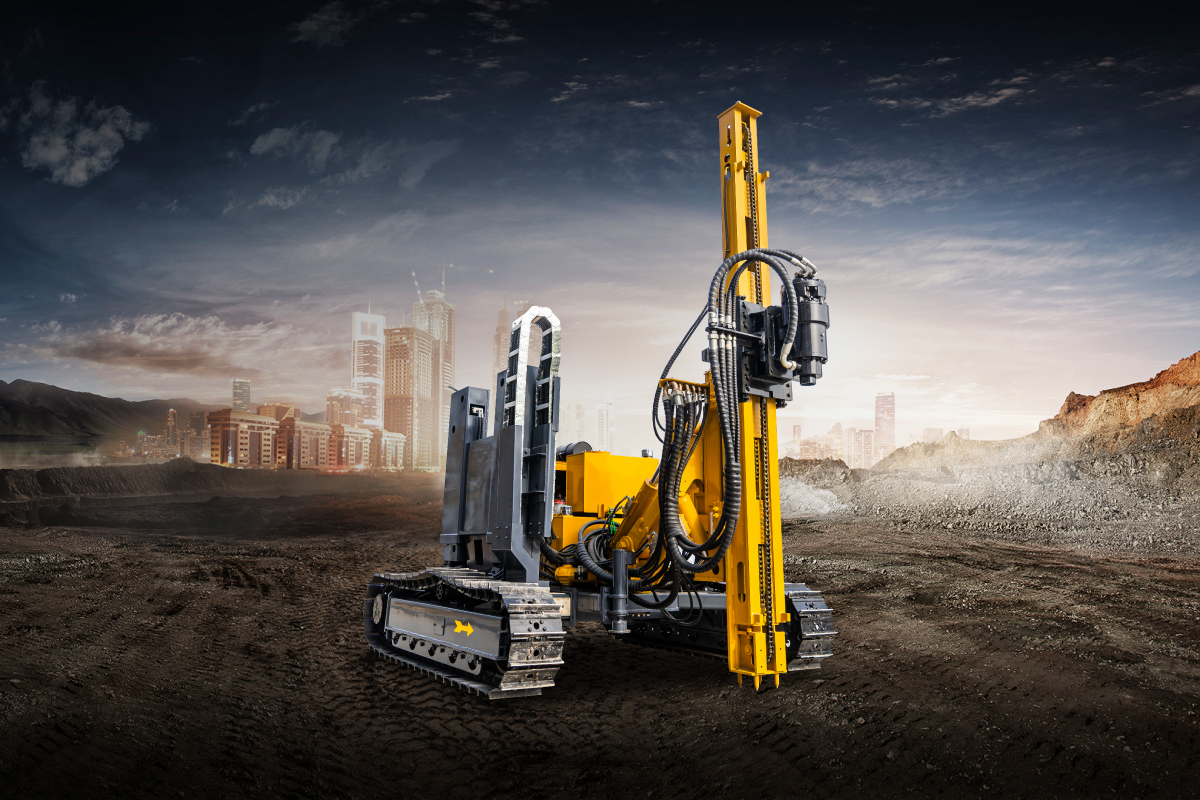
V. Every 1,000 Hours (Approx. Semi-Annual): Complete Major Overhaul
Replace hydraulic oil and all filter elements (suction, return and pilot filters). Shorten the interval to 800 hours under harsh working conditions.
Replace engine coolant and inspect the water pump and thermostat.
Inspect the turbocharger: Listen for whistling noises and check pipelines for oil leaks.
Test hydraulic pump pressure with a pressure gauge; adjust or repair the pump if pressure readings are too low.
Replace gear oil in all gearboxes (vibratory box, slewing reducer, travel reducer), using oil of specified viscosity grades for each unit.
Inspect shock-absorbing rubber blocks: Replace as a full set if aged or cracked; unaddressed damage will transmit impact force and crack the main frame.
Key Reminder: Though the 1,000-hour overhaul costs around 3,000 yuan, hydraulic pump repairs alone cost a minimum of 20,000 yuan, not counting production downtime losses. This maintenance expense is indispensable.
VI. Adjusted Maintenance Intervals for Special Working Conditions
Hard strata (rock, frozen soil): Shorten all standard maintenance cycles to 80% of the original schedule.

Please fill out the form below according to your needs, and a Hengwang product specialist will contact you within one day.