


Annual work order reviews from Hengwang Forklift’s national after-sales service network reveal that a large share of hydraulic component wear, seal leakage and electrical faults stem not from insufficient maintenance, but over-maintenance.
Many warehouse supervisors and forklift operators adopt the mindset of “more maintenance is safer”. They change engine oil ahead of schedule, over-grease components, arbitrarily boost hydraulic pressure and power-wash the vehicle every day, believing extra time and costs will extend forklift service life. However, as an original equipment manufacturer (OEM) that designs and manufactures complete forklifts, we know every component has factory-calibrated operating limits. Excessive maintenance upsets this engineered balance, accelerates equipment deterioration, wastes unnecessary expenses and shortens the forklift’s service lifespan.
Today, drawing on Hengwang’s original design expertise, we break down the four most prevalent over-maintenance misconceptions to help you escape the cycle of ineffective upkeep.
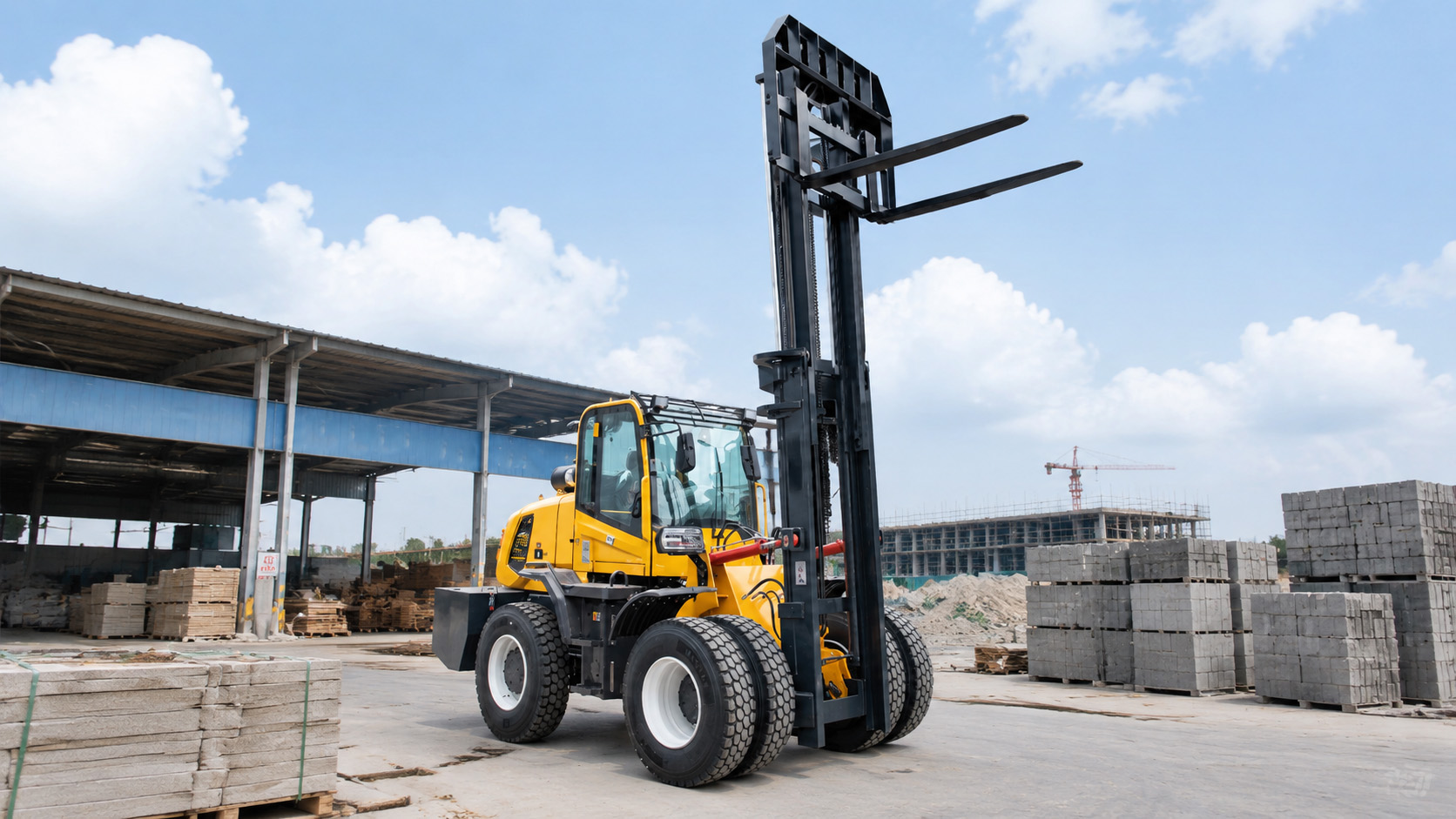
1. Frequent Engine Oil Changes: Disrupt Operating Conditions & Raise Leak Risks
Many operators assume more frequent oil changes deliver superior engine protection, often replacing diesel forklift engine oil far earlier than the manual recommends.
In reality, the oil replacement intervals specified for Hengwang internal combustion forklifts are optimal values validated through multi-scenario testing, tailored to engine load characteristics and lubricant performance parameters. Engine oil performs three core functions: lubrication, cleaning, heat dissipation and sealing—all of which require a certain running time for the lubricant to reach peak efficiency.
Excessively frequent oil changes trigger three hidden forms of damage:
Residual old oil cannot be fully drained from the oil pan during each service, mixing with new oil and degrading the new lubricant’s overall performance;
Repeated disassembly of oil pan bolts and filter gaskets accelerates their aging and deformation, creating long-term risks of oil seepage and leakage;
Unnecessary consumption of lubricants and labor generates substantial recurring wasted costs over time.
Hengwang Recommendation: Strictly follow the service manual’s replacement cycle. For harsh operating environments with heavy dust, high loads or extreme heat, you may advance service by 10%–15%—unwarranted early oil changes are unnecessary.
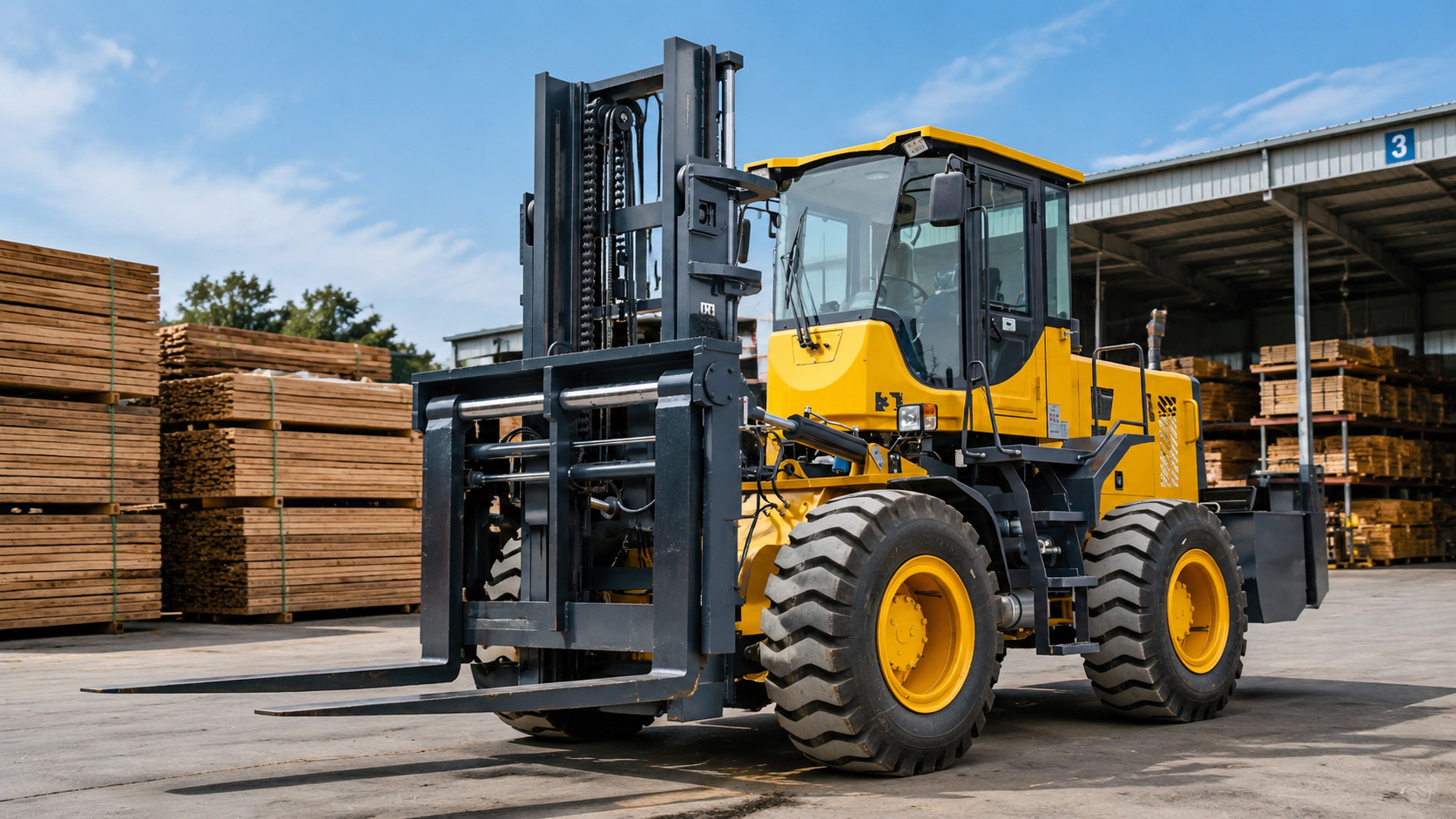
2. Excessive Grease Application: Lubricant Turns Into Abrasive, Speeding Up Component Wear
Greasing masts, chains, pins and steering bearings is a standard daily inspection task. Yet countless operators only stop adding grease once excess lubricant oozes out—this is the most common maintenance error seen on rough-terrain and heavy-duty forklifts.
Overapplied grease accumulates in slides and crevices, trapping dust, sand and grit from the worksite. This mixture hardens into sludge that acts as an abrasive, continuously scuffing pin shafts, rollers and mast slide surfaces. Grease packed into chain gaps causes jerky lifting and persistent abnormal noise. Grease overflowing onto the chassis traps sediment, corroding seals and triggering oil seal rupture and fluid leaks.
Most critically, grease that contaminates brake pads or tire contact surfaces drastically reduces braking performance, creating severe operational safety hazards.
Hengwang Recommendation: Stop greasing once a tiny amount seeps out from component gaps. Wipe away surplus grease promptly and clear built-up sludge regularly.
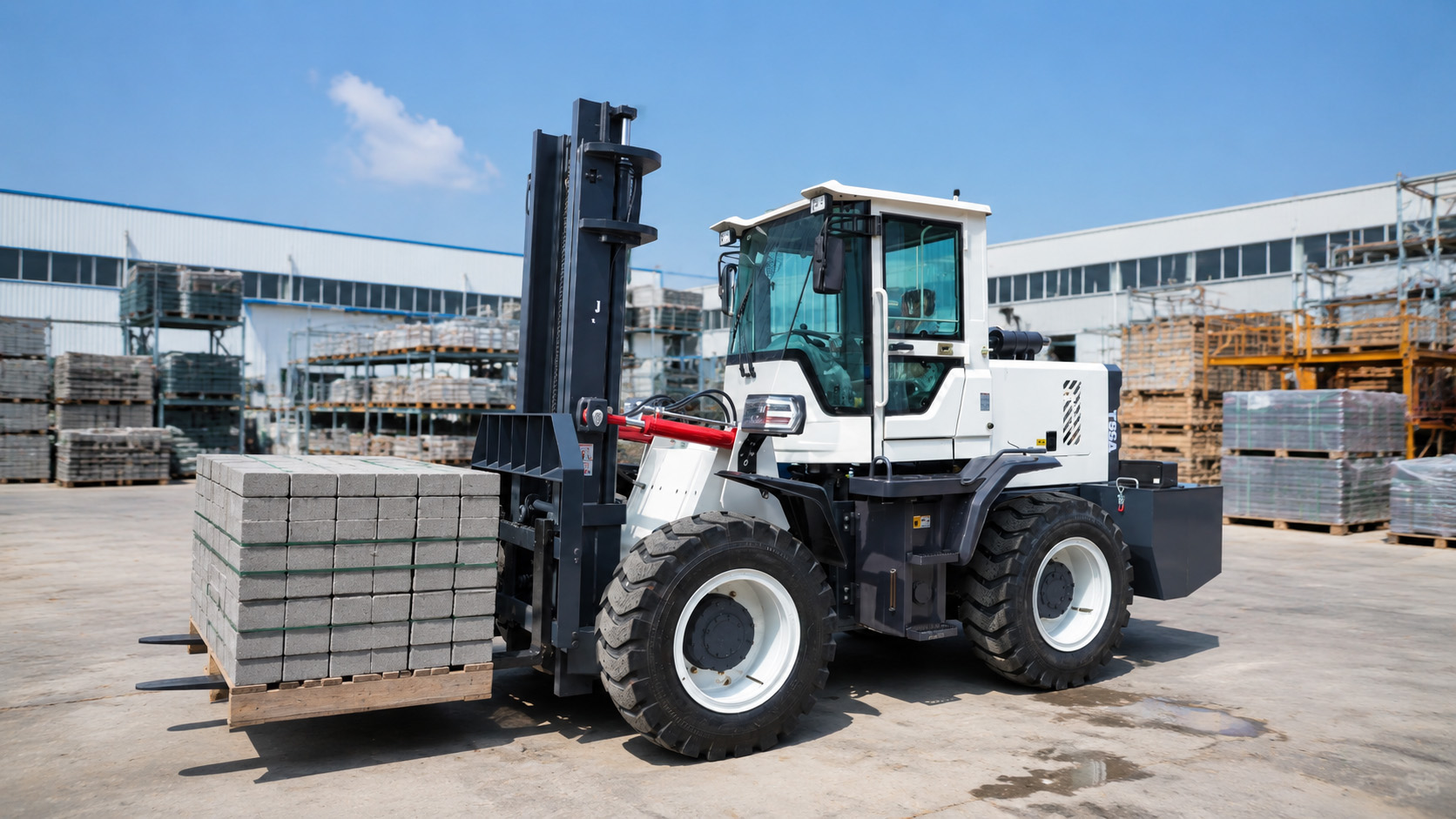
3. Arbitrarily Raising Hydraulic Pressure: Short-Term Output Gains Come At The Cost Of Long-Term Vehicle Lifespan
When lifting heavy loads or experiencing slow lifting speeds, many operators immediately turn up hydraulic pressure and repeatedly readjust settings for different tasks. This practice inflicts far greater harm on hydraulic systems than most users realize.
All hydraulic systems on Hengwang forklifts undergo rigorous factory pressure calibration and full-load limit testing. Hydraulic pumps, tubing, cylinders and seals are all engineered to match the rated factory pressure. Manually boosting system pressure forces all hydraulic parts to operate under constant overload: the risk of hose rupture surges, cylinder oil seals age and leak rapidly, and internal hydraulic pump wear intensifies. For heavy-duty rough-terrain forklifts, overpressure subjects masts to excessive stress, causing weld cracking and lowering the overall load-bearing safety factor.
Frequent pressure adjustments also damage the precision of pressure regulating valve spools, leading to unstable system pressure, jerky lifting movements and inconsistent operating speeds.
Hengwang Recommendation: If you encounter weak lifting power or sluggish movements, first inspect for degraded hydraulic oil, clogged filters or leaking seals. Troubleshoot root causes before making adjustments—never raise hydraulic pressure blindly.
4. Daily High-Pressure Full Vehicle Washing: Surface Cleanliness Conceals Hidden Corrosion To Wiring & Frame
After working in dusty workshops or outdoor rainy conditions, many site managers routinely blast the entire forklift with high-pressure water guns and overspray anti-rust oil, under the false belief that maximum cleanliness maximizes corrosion resistance. This approach backfires severely.
Though electrical connectors and controllers on Hengwang electric forklifts feature basic waterproofing, they cannot withstand prolonged direct blasts from high-pressure water jets. High-velocity water penetrates dashboards, battery plugs, controllers and wiring harness terminals, causing short circuits, poor electrical contact, battery damp discharge and controller malfunctions. Trapped moisture inside hollow frame structures and narrow crevices cannot fully evaporate, accelerating internal steel corrosion.
Uncontrolled over-spraying of anti-rust oil clogs heat dissipation vents, brake discs and chain surfaces, impairing heat dissipation and reducing brake friction. Oil films trap dust to form grime that blocks cooling channels, driving abnormal temperature spikes in electric motors and combustion engines.
Hengwang Recommendation: For routine cleaning, wipe the body with low-moisture cloths; shield wiring terminals in advance if washing is required. Apply anti-rust oil as a thin coating only to exposed bare metal on frames and chassis—avoid contact with braking, electrical and heat dissipation components.
Moderation Is The Golden Rule Of Equipment Maintenance
A forklift’s long-term reliability relies equally on factory build quality and scientific in-service maintenance.
As a manufacturer deeply rooted in construction machinery, Hengwang Group integrates easy maintenance and high durability into every stage of product R&D: electric forklifts feature simplified structures to cut maintenance complexity, rough-terrain forklifts come with reinforced seals for harsh environments, and our full product range is supported by official maintenance guides and a nationwide after-sales service network. We firmly believe premium products should not require excessive maintenance to compensate for design shortcomings. Effective maintenance never depends on frequent service cycles or overconsumable use—it hinges on proper timing and correct techniques.
Moderation delivers optimal results. This principle applies to forklift maintenance, and to trustworthy business partnerships alike. Backed by original factory quality and full-lifecycle service support, Hengwang Machinery stands beside every customer for steady, long-term operational success.

Please fill out the form below according to your needs, and a Hengwang product specialist will contact you within one day.